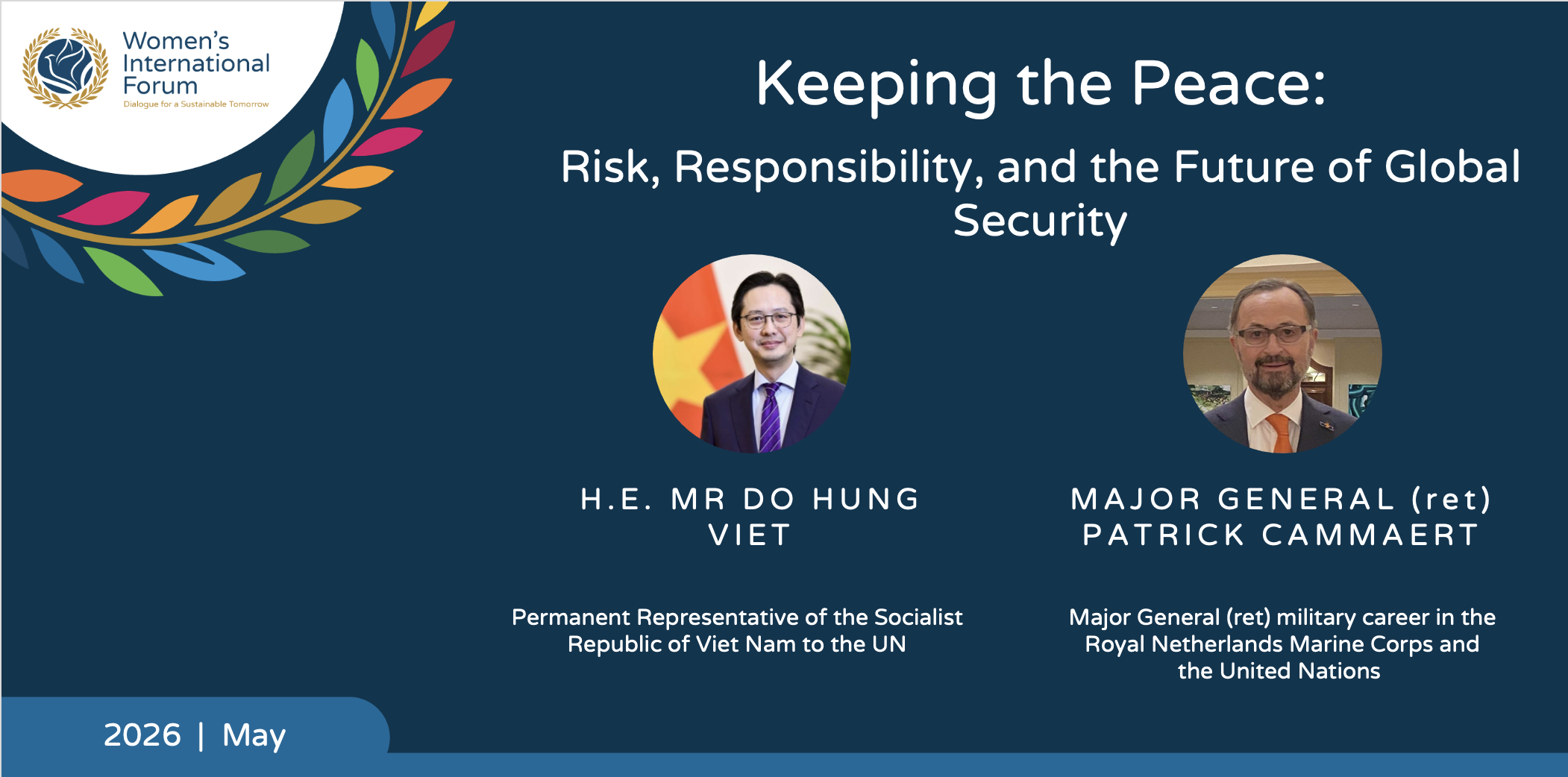
Keeping the Peace: Risk, Responsibility, and the Future of Global Security
In 2024, the world recorded the highest number of state-based conflicts since 1946, a stark reminder that peace is not quietly receding, but under visible and growing strain. At the same time, nuclear risk has re-emerged with renewed urgency, driven by heightened geopolitical tensions, the erosion of arms control frameworks, and the development of next-generation arsenals. This evolving landscape is bringing long-standing security concerns back into sharper focus. More broadly, the multilateral systems designed to manage these risks are facing increasing pressure.
Trust is eroding, consensus is harder to sustain, and the frameworks that have long underpinned international security are being tested in ways that feel both familiar and newly urgent. And yet, these systems remain essential. The Treaty on the Non-Proliferation of Nuclear Weapons (NPT) continues to serve as a cornerstone of global security, shaping how states engage on disarmament and risk reduction. In his role as President of the 2026 NPT Review Conference, Ambassador Do Hung Viet is working to sustain dialogue and rebuild trust at a moment when both are under strain.
Alongside this diplomatic effort sits another reality. Major General Patrick Cammaert (Ret.), drawing on decades of leadership in United Nations peacekeeping missions, reflects the operational dimension of international security—where the consequences of failed prevention are immediate, and where the protection of civilians becomes both urgent and complex. Bringing these two perspectives together, this conversation reflects a simple but urgent truth: peace is not secured in one place alone. It is negotiated in rooms where agreement is uncertain, and tested in environments where stability is fragile. Understanding that connection has rarely felt more important.
Objectives:
The current moment is defined not only by heightened risk, but by a deeper structural tension: the widening gap between global commitments and lived realities. Multilateral frameworks, whether disarmament treaties, peacekeeping mandates, or regional security arrangements, remain essential pillars of the international system. Yet their effectiveness increasingly depends on conditions that are themselves under strain: political will, shared norms, and institutional trust. This dialogue seeks to move beyond abstract assessments of system performance and instead interrogate how these frameworks function in practice.
It will:
- Examine how multilateral frameworks, including the Treaty on the Non-Proliferation of Nuclear Weapons (NPT) and regionally anchored arrangements, function in practice, and assess the challenges of sustaining trust and cooperation in an increasingly fragmented geopolitical environment.
- Explore the growing gap between global security commitments and on-the-ground realities, particularly where diplomatic frameworks are strained or unable to prevent conflict escalation.
- Analyze how shifting geopolitical dynamics, weakened norms, and reduced consensus are reshaping the effectiveness of existing security architectures.
- Bridge diplomatic and operational perspectives by examining how decisions taken within multilateral forums translate into real-world outcomes, particularly in conflict-affected settings.
- Re-center the civilian dimension within global security discussions, highlighting the human cost of both conflict and policy failure.
- Identify what is required to rebuild credibility, resilience, and adaptability within multilateral systems to better anticipate and manage interconnected global risks.
VISIT THE DIALOGUE GALLERY
Speakers
-
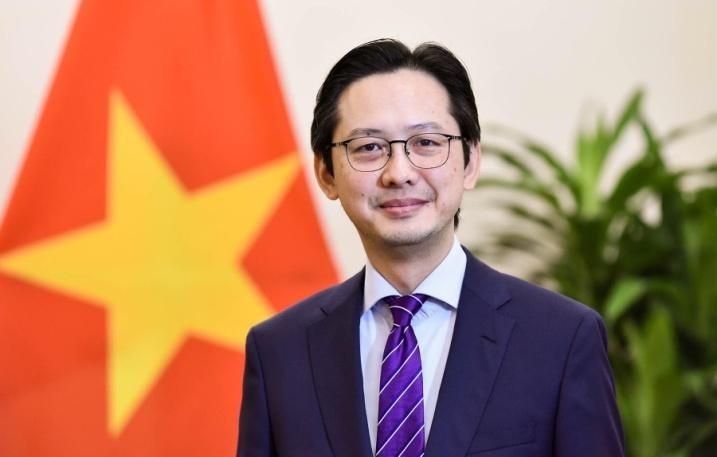 H.E. Mr. Do Hung VietPermanent Representative of the Socialist Republic of Viet Nam to the United Nations
Ambassador Do Hung Viet presented credentials to UN Secretary-General Antonio Guterres on 20 June 2025, becoming Permanent Representative of Viet Nam to the UN.
Previously Deputy Minister of Foreign Affairs (since Dec 2022), he oversaw relations with Southeast/East Asia and South Pacific; led multilateral diplomacy in UN and ASEAN (as ASEAN SOM Leader); and served on the UN Secretary-General’s Panel on Critical Energy Transition Minerals.
From 2019–2022, as Director-General/Assistant Minister of International Organizations, he managed UN engagement on peace/security, sustainable development, and human rights; led Viet Nam’s UN Security Council Taskforce (2020–2021).
Earlier roles include: Counsellor/Deputy Permanent Representative to UN New York (2013–2016), where he was Vice Chair of CSocD 53rd Session, G77 Coordinator for HLPF Ministerial Declaration, and lead negotiator for 2030 Agenda; Special Assistant to APEC 2017 SOM Chair; Deputy Director-General, International Organizations (pre-2013), advancing UN “Delivering as One” reforms in Viet Nam.
Ambassador Do Hung Viet holds a Master’s in public/international law (Melbourne Law School) and Bachelor’s in international relations (Diplomatic Academy of Viet Nam).
-
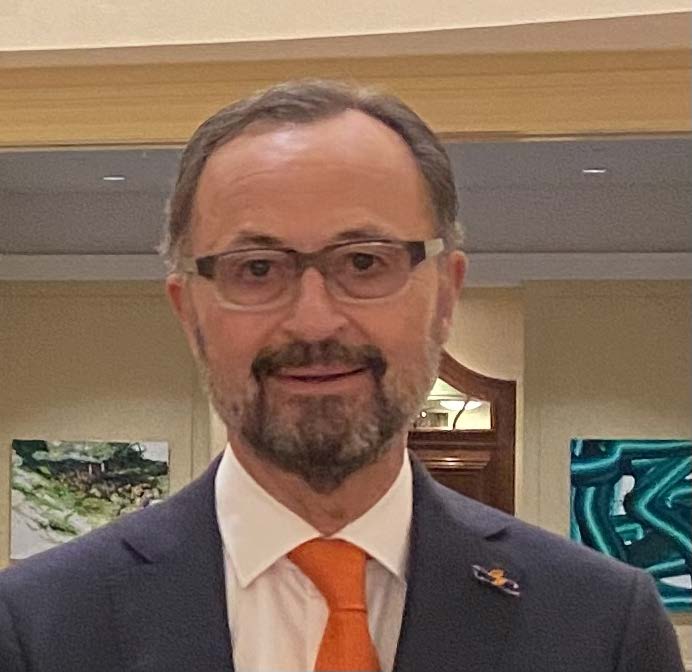 Major General (ret) Patrick CammaertRetired Major General in The Netherlands with the Royal Netherlands Marine Corps and the United Nations
Major General (ret) Patrick Cammaert has a distinguished career with the Royal Netherlands Marine Corps and UN peacekeeping, including roles as Sector Commander (UNTAC, Cambodia), Assistant Chief of Staff (UNPROFOR, Bosnia), Force Commander (UNMEE, Ethiopia/Eritrea), Military Advisor (DPKO), and GOC Eastern Division (MONUC, DRC).
Since retiring in 2007, he has advised UN DPO and UN Women on leadership in crises, gender advisors, civilian protection, civil-military cooperation, peacekeeping, and security sector reform—focusing on integrated training, CRSV, and WPS. He led scenario-based training on CRSV and the UN Female Military Officers Course (2015–2023).
He conducted fact-finding missions in DRC, Lebanon, Abyei, Sudan/South Sudan, Haiti, Liberia, and Chad; served as Special Envoy to Sri Lanka for Children in Armed Conflict; and chaired UN Boards of Inquiry (Gaza 2014, Malakal/Nasir 2016/2025, Juba 2016). He chaired the Hodeidah Redeployment Coordination Committee (UNMHA, 2018–2019) and a Dutch commission on non-lethal aid to Syrian groups (2021–2022).
His mediation experience spans UNTAC (MMWG, Cambodia), UNMEE (MCC), Cameroon-Nigeria Mixed Committee (Bakassi), MONUC separations, and Hodeidah ceasefire (2018/19).
A mentor at UN Senior Leadership Programmes, IOCs, GPOI Contingent Commanders Courses, and FMOC, he received the 2008 Carnegie-Wateler Peace Prize. He serves on advisory boards for Mukomeze Foundation, Georgetown Institute for Women, Peace and Security, Roméo Dallaire Child Soldiers Initiative, and CIVIC (board member since 2016); was in the 2015 High Level Advisory Group for UNSCR 1325 Global Study. Graduate of Dutch Higher Command and Staff College and Armed Forces War College.