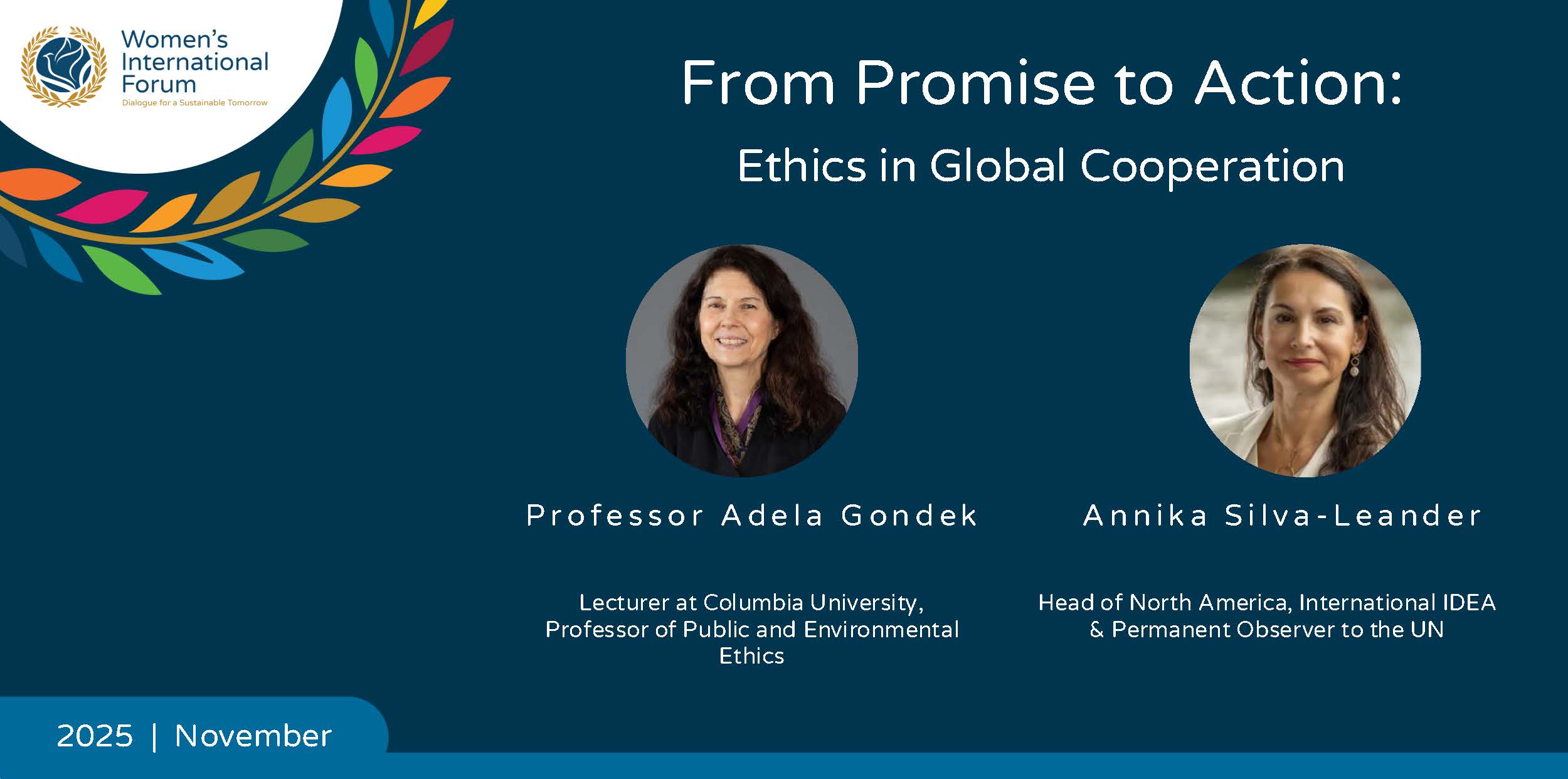
From Promises to Action: Ethics in Global Cooperation
The United Nations (UN) has set big goals for making the world fairer and more sustainable—through initiatives like the Millennium Development Goals, the Sustainable Development Goals (SDGs), Our Common Future, and the Earth Charter. These frameworks give countries and organizations a shared vision for tackling issues such as poverty, inequality, and climate change – essentially a shared vision for a better future.
The challenge, however, is that while countries often agree on big, beneficent goals, they face hard choices about how to act. In other words, what is promised often does not match what is actually done. This discussion will look at why it is so hard to turn good intentions into real change. Some reasons include limited natural and financial resources, clashing national interests, cultural differences, corruption and conflicts.
We will explore how we can use “practical ethics” (a way of applying moral values like equity, responsibility, justice or respect for the environment to real-world problems and decisions) to close that gap. In particular, it will help us to understand why the benefits and burdens of development in pursuit of a fairer world needs to be shared more equally and restored more mindfully.
Speakers
-
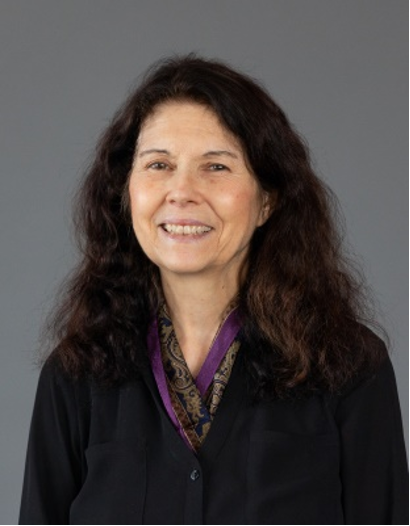 Professor Adela GondekLecturer at Columbia University
Dr Adela Gondek teaches applied ethics, including environmental, sustainability and public ethics in several programs: the MA in Climate and Society program at the Climate School; the MS in Sustainability Management program at the School of Professional Studies; and the Sustainable Development undergraduate program at the Climate School/Earth Institute.
A political scientist with specialization in political theory and American politics and policy, she acquired her PhD in the Department of Government at Harvard. At Columbia, she taught American political theory and the Core Curriculum in the Department of Political Science prior to teaching applied ethics. Recently, she has been appointed to serve as a Senator of the Columbia Senate, and on its Commission on Diversity.
-
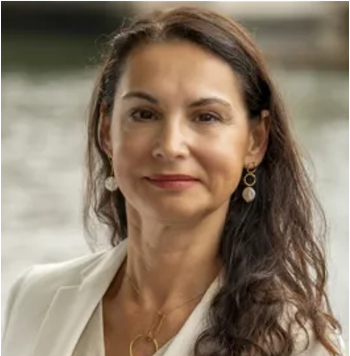 Dr. Annika Silva-LeanderHead of North America, International IDEA & Permanent Observer to the UN
Dr. Annika Silva-Leander is International IDEA’s Permanent Observer to the United Nations and Head of North America Outreach. She leads International IDEA’s advocacy and research on democracy at the UN, with a focus on the intersection of democracy and sustainable development. She also contributes scholarly analysis and public commentary on global democracy issues. From 2018 to 2021, she headed International IDEA’s Democracy Assessment Unit, leading the Global State of Democracy report, its indices, and the Covid-19 Global Monitor on Democracy and Human Rights.
Before this, she was Senior Adviser to the Secretary-General of International IDEA (2015-2018) and has a decade of experience as a Social Development Specialist at the World Bank and other UN agencies across multiple regions. Silva-Leander holds a PhD from the London School of Economics and Political Science. Annika Silva-Leander is a member of the Advisory Board for Georgetown University’s Department of Government MA Programs (American Government, Conflict Resolution, and Democracy & Governance).